Tai Chi is a time-honored practice renowned for its gentle, flowing movements that nurture both body and mind. Among the many specialized programs available, Dr. Paul Lam’s Tai Chi for Rehabilitation (TCR) stands out as a short, easy-to-learn form designed to support healing and enhance overall well-being. This unique program incorporates elements from Chen, Yang, and Sun styles of Tai Chi and can be performed standing, seated, or even reclined, making it accessible to individuals of all abilities. As someone who teaches TCR at a cancer wellness center, I’ve seen firsthand how it helps individuals regain strength, manage pain, and improve their energy levels while fostering social and emotional well-being.
Why Tai Chi for Rehabilitation?
Dr. Paul Lam, a physician and Tai Chi master, developed Tai Chi for Rehabilitation to aid in recovery from illness, injury, or surgery. It’s particularly beneficial for those managing chronic conditions such as cancer, arthritis, and heart disease (Lam, 2017). The program’s core benefits include:
- Physical Benefits
- Enhances balance, flexibility, and coordination, reducing fall risk (Logghe et al., 2010).
- Strengthens muscles and improves mobility (Wang et al., 2014).
- Reduces chronic pain, particularly in arthritis and fibromyalgia (Rogers et al., 2009).
- Boosts energy levels and alleviates fatigue, a common challenge for those undergoing cancer treatment (Zou et al., 2017).
- Emotional and Psychological Benefits
- Encourages relaxation and reduces stress through mindful movement and deep breathing (Jahnke et al., 2010).
- Supports emotional resilience, reducing symptoms of anxiety and depression (Wang et al., 2010).
- Enhances overall well-being through an improved mind-body connection (Wayne et al., 2018).
- Social and Community Benefits
- Creates a supportive environment, fostering social connections and a sense of belonging.
- Encourages interaction, helping individuals build meaningful relationships (Yang et al., 2015).
- Provides a non-competitive, inclusive practice suitable for people of all fitness levels.
Backed by Science: The Power of Tai Chi in Rehabilitation
Research consistently highlights Tai Chi’s effectiveness in rehabilitation and chronic disease management. A meta-analysis by Wang et al. (2014) found that Tai Chi significantly improves physical function and alleviates pain in osteoarthritis patients. Zou et al. (2017) further demonstrated its role in reducing cancer-related fatigue and improving quality of life.
Additionally, Jahnke et al. (2010) discovered that Tai Chi enhances immune function and reduces inflammation, reinforcing its benefits for recovery and overall health. These findings align with my personal experience at the cancer wellness center, where participants report less pain, better energy levels, and an enhanced sense of well-being after engaging in TCR.
A Personal Perspective: Seeing the Impact Firsthand
In my time teaching Tai Chi for Rehabilitation, I’ve witnessed its profound impact on individuals managing chronic illness. Many participants describe feeling stronger, more energized, and more in control of their well-being. The slow, intentional movements help them reconnect with their bodies, while the breathing techniques provide calm and clarity.
Beyond physical benefits, the practice fosters a supportive, uplifting community. I’ve seen friendships flourish, confidence grow, and individuals feel empowered as they reclaim their vitality. The adaptability of TCR—whether practiced standing, seated, or reclining—ensures that everyone, regardless of ability, can experience its transformative effects.
Conclusion
Dr. Paul Lam’s Tai Chi for Rehabilitation is more than just an exercise routine—it’s a powerful, holistic approach to healing that nurtures the body, mind, and spirit. With scientific research backing its benefits in pain management, energy enhancement, and emotional well-being, it’s an invaluable tool for anyone recovering from illness, managing a chronic condition, or simply seeking a gentle yet effective way to improve their health. By integrating elements from Chen, Yang, and Sun styles, and offering flexibility in practice, TCR is accessible to all—making it a truly inclusive pathway to recovery, resilience, and renewed vitality.
Ready to Experience Tai Chi for Rehabilitation?
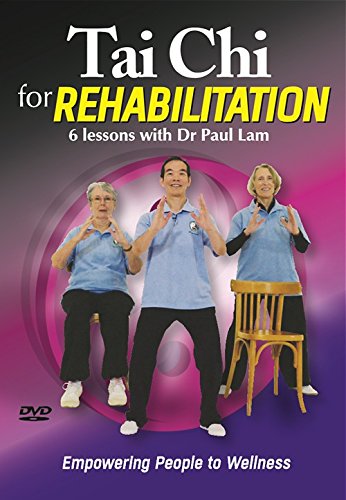
If you’re interested in learning more about Tai Chi for Rehabilitation, check out these helpful videos from Dr. Paul Lam:
- Tai Chi for Rehabilitation – Introduction by Dr. Paul Lam
- Tai Chi for Rehabilitation – Sample Lesson
- Or click here to purchase the DVD for home practice
Give it a try and experience the benefits for yourself!
References
- Jahnke, R., Larkey, L., Rogers, C., Etnier, J., & Lin, F. (2010). A comprehensive review of health benefits of Qigong and Tai Chi. American Journal of Health Promotion, 24(6), e1-e25.
- Lam, P. (2017). Tai Chi for Rehabilitation: A Step-by-Step Program to Improve Recovery and Well-being. Tai Chi Productions.
- Logghe, I. H., Verhagen, A. P., Rademaker, A. C., Bierma-Zeinstra, S. M., Van Rossum, E., Faber, M. J., & Koes, B. W. (2010). The effects of Tai Chi on fall prevention, fear of falling and balance in older people: A meta-analysis. Age and Ageing, 39(6), 737-749.
- Rogers, C. E., Larkey, L. K., & Keller, C. (2009). A review of clinical trials of Tai Chi and Qigong in older adults. Western Journal of Nursing Research, 31(2), 245-279.
- Wang, C., Schmid, C. H., Hibberd, P. L., Kalish, R., Roubenoff, R., Rones, R., & McAlindon, T. (2014). Tai Chi is effective in treating knee osteoarthritis: A randomized controlled trial. Arthritis Care & Research, 66(11), 1553-1561.
- Wang, F., Lee, E. K., Wu, T., Benson, H., Fricchione, G., Wang, W., & Yeung, A. (2010). The effects of Tai Chi on depression, anxiety, and psychological well-being: A systematic review and meta-analysis. International Journal of Behavioral Medicine, 17(2), 105-112.
- Wayne, P. M., Walsh, J. N., Taylor-Piliae, R. E., Wells, R. E., Papp, K. V., Donovan, N. J., & Yeh, G. Y. (2018). The impact of Tai Chi on cognitive performance in older adults: A systematic review and meta-analysis. Journal of the American Geriatrics Society, 66(11), 2190-2198.
- Yang, Y., Verkuilen, J., Rosengren, K. S., Mariani, R. A., Reid, K. F., Aguirre, B., & Hausdorff, J. M. (2015). Effects of a community-based Tai Chi program on social support and health perception in older adults. Geriatric Nursing, 36(1), 32-36.
- Zou, L., Wang, C., Chen, K., Shu, Y., Feng, H., Wang, H., & Chen, X. (2017). The effect of Tai Chi on health outcomes in patients with chronic conditions: A systematic review and meta-analysis. International Journal of Nursing Studies, 65, 73-84.


Leave a Reply